Overview
Playing lessons fparentips brings learning and play together in a simple and enjoyable way. Children naturally learn by exploring, touching, moving, asking questions, and trying new things. Play can turn these natural behaviors into useful learning opportunities.
A play based lesson does not need to be complicated. Parents can use stories, puzzles, building activities, drawing, movement, and simple games to introduce educational ideas. When children enjoy an activity, they are often more willing to take part and keep trying.
Understanding Playing Lessons Fparentips
Playing lessons fparentips focuses on using play as part of a child’s learning experience. Instead of making every lesson feel like traditional study, parents can introduce educational goals through activities that children already enjoy.
For example, kids can learn shapes and numbers while building with blocks.A pretend shop can teach basic numbers and communication. A storytelling activity can improve vocabulary and imagination.
The activity may look like ordinary play, but it can also encourage useful skills.
Benefits of Learning Through Play
Play helps kids grow and learn in many ways.Different activities can help children practice different abilities.
| Skill | Example of Play Activity | Learning Benefit |
| Math | Counting games | Builds number awareness |
| Language | Storytelling | Develops vocabulary |
| Creativity | Drawing and crafts | Encourages original ideas |
| Thinking | Puzzles | Supports problem-solving |
| Social skills | Group games | Encourages cooperation |
| Physical skills | Movement games | Supports coordination |
These activities can also make learning feel less stressful. Children get opportunities to experiment without worrying about making every answer perfect.
Turn Everyday Play Into Learning
Parents do not always need special educational materials. Everyday home tasks can also teach kids new things.
Counting With Toys
Ask children to count their toys, sort them by size, or arrange them from smallest to largest. This can introduce basic mathematical ideas through something familiar.
Learning Through Stories
Choose a short story and ask children what they think might happen next. Encourage them to describe characters or create a different ending.
This can support listening, speaking, vocabulary, and creative thinking.
Exploring Shapes
Building blocks, boxes, and household objects can be used to discuss shapes. Ask children to find circles, squares, rectangles, or other familiar forms around them.
This turns the surrounding environment into a learning space.
Use Games to Encourage Problem Solving
Games give kids fun tasks that make them think. Puzzles, matching activities, memory games, and simple building tasks can all provide opportunities to find solutions.
Parents can make the activity more useful by asking children to explain their choices.
Do not correct them right away. Ask them to try a new idea and see what happens.
Encourage Creativity During Lessons
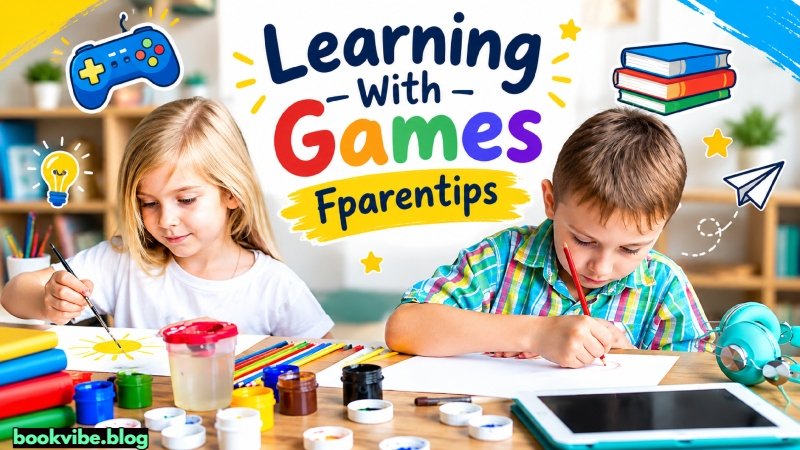
Creative play gives children room to make their own choices. Drawing, painting, building, pretend play, and storytelling can all support creative thinking.
Parents can give kids a simple idea and let them do it their own way. Not every task needs one right answer.
For instance, let kids make a small home with blocks.One kid may make a basic house, while another may add rooms, doors, and small details.Both ways can help kids learn new skills.
Add Movement to Learning
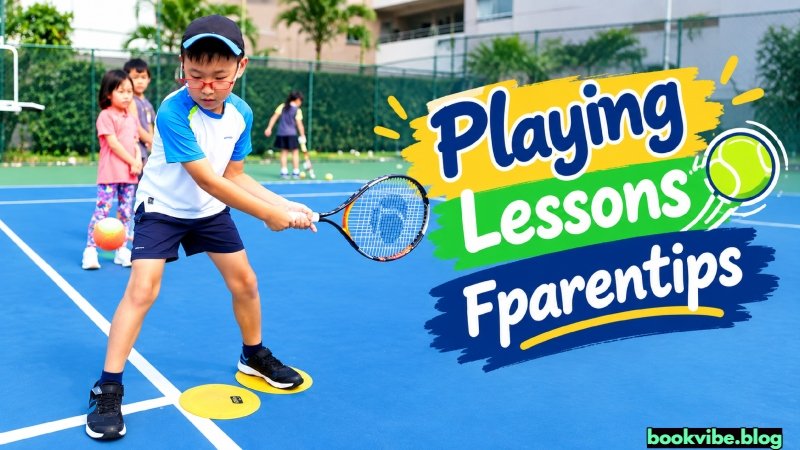
Children do not have to remain seated throughout every learning activity. Movement can make lessons more active.
Try activities such as:
- Finding letters around the room
- Jumping while counting
- Following direction based instructions
- Sorting objects while moving
- Acting out parts of a story
These tasks keep kids moving while they learn and think.
Parents Should Guide, Not Control
The parent’s role is important, but children should still have space to explore. Explain the task in easy words, then let the child choose what to do.
Ask open ended questions such as:
- How did you make that?
- What could we change?
- Why do you think that happened?
- Can you find another way?
Such questions encourage children to explain their ideas instead of simply waiting for an answer.
Keep Playing Lessons Age Appropriate
Choose tasks that fit the child’s age, skills, and likes. A task that is too easy may become boring, while a task that is too difficult can become frustrating.
Start with simple activities and gradually introduce new challenges. Watch how the child responds and adjust the activity when needed.
Short, enjoyable sessions can be more practical than trying to turn play into a long study period.
Create a Positive Learning Experience
The atmosphere around learning matters. Kids should feel free to ask questions and try new things, even when they get something wrong.
Focus on effort and curiosity. If an activity does not work as planned, treat it as another chance to experiment.
The purpose of playing lessons is not to make every moment productive. Children also need free play. A healthy approach leaves room for both guided learning and independent exploration.
Final Thoughts:
Playing lessons fparentips can make learning more enjoyable by combining education with games, creativity, movement, and everyday activities. Children can develop useful skills while exploring ideas in a relaxed setting. Simple play based tasks can support communication, problem solving, counting, imagination, and teamwork without making every activity feel like formal study.
Parents can make these lessons more meaningful by following children’s interests and giving them space to explore. With patience, encouragement, and age appropriate activities, playing lessons fparentips can create positive learning moments that help children stay curious, active, and engaged. Visit Learning With Games Fparentips for more details.