Overview
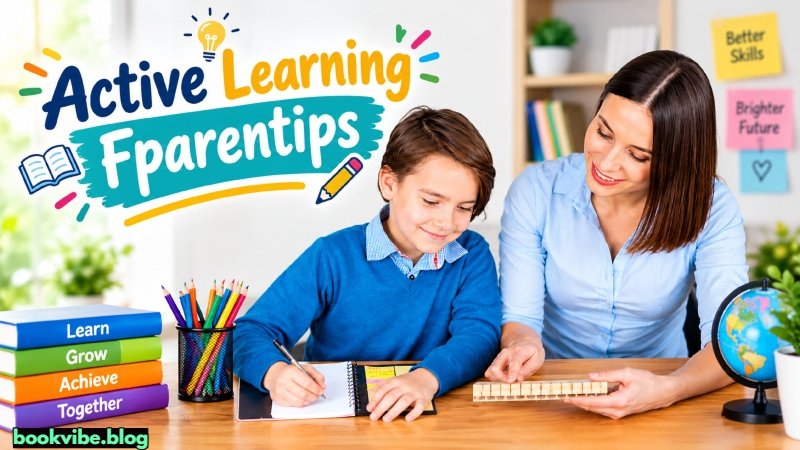
Active learning fparentips is a simple approach to making learning more engaging, practical, and enjoyable. Instead of expecting children to only listen, read, or memorize information, active learning encourages them to participate, ask questions, solve problems, explore ideas, and explain what they understand.
Parents can introduce active learning through everyday activities without needing expensive resources. Reading together, playing educational games, preparing simple projects, observing nature, and discussing new ideas can all create valuable learning experiences.
The main purpose is to help children become involved in the learning process. When they actively participate, they can develop useful skills while gaining a deeper understanding of different subjects.
What Does Active Learning Mean?
Active learning means learning by doing rather than simply receiving information. A child may learn mathematics through a game, understand science through an observation activity, or improve communication by explaining an idea to someone else.
This approach gives children opportunities to think independently. Rather than providing every answer immediately, parents can guide children with questions and encourage them to find solutions.
Active learning can be used at home, in school, outdoors, or during normal daily activities.
Useful Active Learning Fparentips for Parents
Parents can use many simple techniques to make learning more interactive.
| Active Learning Idea | Main Skill Supported |
| Ask open ended questions | Critical thinking |
| Use educational games | Problem solving |
| Discuss books | Communication |
| Create small projects | Creativity |
| Explore outdoors | Observation |
| Let children explain ideas | Confidence |
| Use everyday examples | Practical understanding |
These activities can be changed according to a child’s interests and learning needs.
Encourage Questions
Questions are an important part of active learning. Instead of treating questions as interruptions, parents can use them as opportunities to explore a topic.
When a child asks why something happens, encourage them to think about possible answers. Ask what they already know and what they think might happen next.
Simple questions such as What do you think?, Why might this happen?, and How could we solve it? can encourage deeper thinking.
Make Everyday Activities Educational
Learning opportunities are often available in ordinary routines. Parents can use cooking to introduce measurements, shopping to discuss numbers and prices, or gardening to explore plants and nature.
Even organizing a room can teach children about sorting, planning, and responsibility. These activities show that learning is not limited to textbooks or classrooms.
Connecting education with real life situations can make new information easier to understand and remember.
Use Projects to Increase Participation
Small projects can turn a basic lesson into an active experience. Children can create a poster, build a simple model, research a topic, write a short explanation, or prepare a presentation.
The project does not have to be complicated. The important part is allowing the child to participate in planning, creating, and explaining the final result.
Parents can provide guidance while still giving children enough freedom to make decisions and try their own ideas.
Turn Reading Into an Active Experience
Reading becomes more engaging when children participate in discussions. After reading a story, ask them about the characters, important events, or the main message.
Children can also draw something from the story, summarize it in their own words, or predict what could happen next.
These activities encourage children to process information instead of simply moving through pages.
Learning Through Educational Games
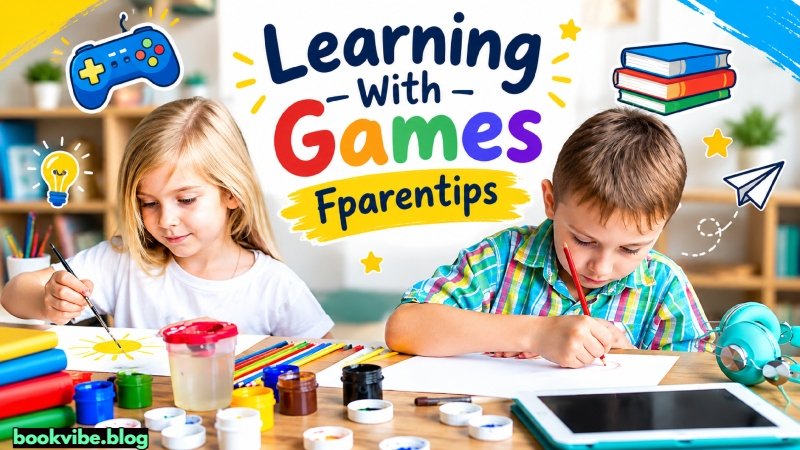
Games can make learning feel less repetitive. Puzzles, word activities, memory games, number challenges, and simple strategy games can encourage children to think while having fun.
The goal should not always be winning. A useful educational game gives children a chance to make decisions, test ideas, and learn from mistakes.
Parents can select activities that match the child’s age and interests so learning remains enjoyable.
Create a Supportive Learning Environment
A positive environment can make children more comfortable participating. Parents should allow reasonable mistakes and encourage children to try again when something does not work.
Instead of focusing only on correct answers, recognize effort, curiosity, and progress. This approach can help children feel more comfortable and confident as they learn new things.
Short and focused activities may also be more effective than forcing children to continue when they have lost interest.
Benefits of Active Learning
Active learning can support several valuable skills. Children can practice communication, creativity, observation, decision making, and problem solving while learning new information.
It can also help connect academic subjects with real world experiences. This connection may make lessons feel more meaningful because children can see how knowledge is used in everyday life.
Most importantly, active learning encourages children to become participants in their education rather than passive receivers of information.
How Parents Can Build a Simple Routine
Parents do not need to completely change their daily schedule. Start with one small activity each day.
For example, spend a few minutes discussing a book, solving a puzzle, asking questions about nature, or completing a small creative task. As children become comfortable, parents can introduce different activities.
Consistency matters more than complexity. A simple learning routine can gradually create stronger habits and encourage children to remain curious.
Final Thoughts:
Active learning fparentips can help parents make learning more engaging, practical, and enjoyable for children. Simple activities such as asking questions, discussing books, playing educational games, and completing small projects can encourage children to think, explore, and participate. These methods do not require expensive tools or complicated plans. Instead, parents can use everyday situations to create meaningful learning opportunities and help children connect new ideas with real life experiences.
The key is to keep learning positive, flexible, and consistent. When children are encouraged to share ideas, make mistakes, and find solutions, they can build confidence and useful skills. With the right active learning fparentips, parents can make everyday learning more interactive while supporting curiosity, creativity, and independent thinking. Visit for more details, Click here