Overview
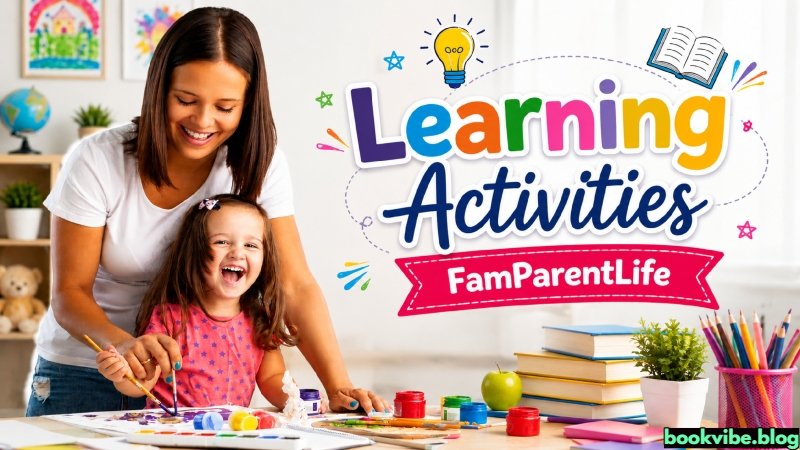
Learning can take place anywhere, not just within the walls of a classroom. Children can develop useful knowledge through games, creative projects, reading, movement, and everyday family experiences. learning activities famparentlife focuses on practical ways families can make education more engaging while supporting curiosity and confidence.
The best activities match a child’s age, interests, and learning level. They should also feel enjoyable rather than forced. With a few simple ideas, parents can turn ordinary moments into meaningful learning opportunities.
What Are Learning Activities?
Learning activities are structured or informal tasks that help children build knowledge and skills. They can support subjects such as reading, mathematics, science, language, creativity, and problem-solving.
A good activity gives children a chance to participate instead of simply listening. For example, counting household objects can strengthen basic math skills, while creating a short story can improve vocabulary and imagination.
These activities can happen at home, outdoors, during family time, or alongside regular schoolwork.
Why Learning Through Activities Matters
Children often understand concepts more easily when they can see, touch, create, or practice them. Interactive learning can make difficult ideas feel less intimidating.
Activities also encourage children to ask questions. That curiosity can become an important part of long-term education.
Here are some common benefits:
| Benefit | How It Helps |
| Better concentration | Keeps children actively involved |
| Creativity | Encourages new ideas and imagination |
| Problem-solving | Helps children think through challenges |
| Communication | Builds speaking and listening skills |
| Confidence | Gives children opportunities to succeed |
| Memory | Reinforces information through practice |
Reading Activities for Children
Reading is one of the easiest ways to encourage learning at home. Parents can choose age-appropriate stories and ask children what they think will happen next.
After reading, discuss the characters, setting, and main lesson. Younger children can identify pictures or new words. Older children can summarize the story in their own words.
Another useful idea is a family reading session. Everyone can read quietly for a set period and then share one interesting thing they discovered.
Fun Math Learning Ideas
Math activities do not need complicated materials. Everyday objects can become useful learning tools.
Ask younger children to count toys, sort objects by size, or compare quantities. Older children can practice simple calculations while planning a small shopping list or measuring ingredients during cooking.
Board games, puzzles, and number challenges can also make mathematical thinking more enjoyable. The goal is to give children regular practice without making every activity feel like homework.
Creative Learning Activities
Creative tasks allow children to explore ideas while developing practical skills. Drawing, painting, storytelling, paper crafts, and simple building projects are excellent options.
Parents can give children a topic and let them decide how to present it. For example, ask them to create a poster about animals, planets, seasons, or their favorite book.
A creative task does not always have to end with a single right answer. Creative freedom can help children become more confident in expressing their thoughts.
Science Activities at Home
Simple experiments can introduce children to scientific thinking. Growing a small plant is a good starting point because children can observe changes over several days.
They can record the plant’s height, notice new leaves, and discuss what plants need to grow. Other safe activities include observing shadows, sorting natural objects, or testing which everyday items float or sink.
Encourage children to predict the result before starting. Then compare their prediction with what actually happened.
Outdoor Learning Ideas
Outdoor time can combine physical activity with education. A walk around the neighborhood can become a nature observation exercise.
Children can identify different leaves, notice weather changes, count birds, or record interesting shapes. A simple scavenger hunt can also improve observation and vocabulary.
Outdoor activities are especially useful because they give children a break from screens while keeping their minds engaged.
How Parents Can Make Activities More Effective
The best learning experiences do not require expensive equipment. A supportive attitude often matters more than the materials.
Let children choose between a few suitable activities. This gives them a sense of independence and can increase participation.
Keep activities reasonably short, especially for younger children. If your child starts feeling overwhelmed, pause the activity and try again when they feel more comfortable. Learning should challenge children without overwhelming them.
Most importantly, praise effort and improvement rather than focusing only on correct answers.
Building a Simple Learning Routine
A consistent routine can make educational activities easier to manage. Parents might dedicate a small amount of time each day to reading, creative work, mathematics, or outdoor exploration.
The routine does not have to be rigid. Some days may involve a book, while another day could include a science experiment or family game.
Simple Weekly Activity Plan
| Day | Suggested Activity | Main Skill |
| Monday | Story reading | Language |
| Tuesday | Number games | Mathematics |
| Wednesday | Simple experiment | Science |
| Thursday | Drawing project | Creativity |
| Friday | Word game | Vocabulary |
| Saturday | Nature walk | Observation |
| Sunday | Family board game | Problem solving |
Final Thoughts:
learning activities famparentlife can make education more enjoyable by turning ordinary family moments into meaningful learning experiences. Reading stories, playing educational games, exploring nature, practicing numbers, and creating art can help children develop useful skills without making learning feel stressful. Parents can choose activities based on a child’s age, interests, and abilities. Even simple tasks can encourage curiosity, creativity, communication, and problem-solving when children are given the freedom to explore and ask questions.
The most effective learning activities famparentlife ideas are enjoyable, practical, and easy to repeat. Families do not need expensive resources or complicated schedules to support children’s education. A little consistency can make a noticeable difference over time. By combining fun with learning, parents can create positive experiences that encourage children to stay curious, confident, and interested in discovering something new every day. Visit Learning Games FamParentLife for more details.