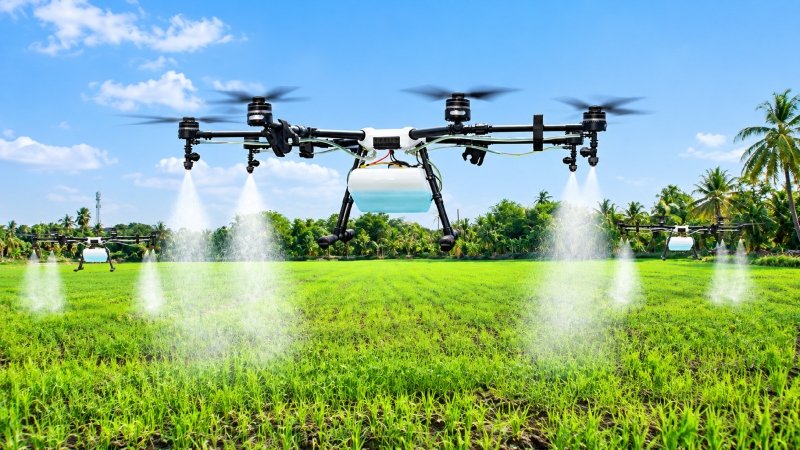
Drones didn’t arrive with much fanfare. They crept into Australian industry job by job, and one day the thing you associated with weekend photographers was suddenly mapping paddocks and crawling around mine walls. Unmanned aerial vehicles, or UAVs, now cover work that used to be too dangerous, too expensive, or too slow to bother with. And they keep finding new corners to be useful in.
Forget the spectacle of a camera in the sky. What matters is the grunt work these machines quietly handle, whether that’s watching crops sprawled across the horizon or checking a mine face nobody’s keen to stand beneath. Here’s where they’ve genuinely earned their spot.
Mining and Resources
Mining was one of the first sectors to see the point of drones. Surveying and mapping used to be a grind, days of it. Fit a UAV with high-resolution cameras and LiDAR sensors, though, and the same job shrinks to a fraction of the time. Exploration teams find promising ground faster and map it with real accuracy.
Safety might be the part that matters most. Rather than lowering people into unsteady pits or sending them through stale tunnels, you fly a drone in and let it gather the readings from a safe remove. That keeps crews away from rockfalls, foul air, and collapses. What once ate several days of inspection now wraps in a few hours, and the operation moves a little easier for it.
Agriculture and Farming
Precision farming draws a lot of talk, and mostly it deserves the attention. Growers use UAVs to keep tabs on crop health, catch pests before they spread, and read irrigation needs across land too big to walk in a day. Seeing trouble from above means you catch it early, which saves you time and money both.
The numbers back it up. Instead of chartering a manned aircraft or burning hours on foot, you send up a drone for a slice of the cost. Grain and cotton producers around the country have reported real gains in yield after building UAVs into their routine. Convenience is one thing; a fuller harvest is the part worth having.
Infrastructure and Construction
Big builds get a lot from a look overhead. Site inspections and progress checks that once meant pacing the ground or teetering on a cherry picker now happen fast and safely from the air. You get current visuals, track your milestones, and spot small faults before they swell into expensive delays.
Bridges and power lines are picking up too. They’re awkward and often risky to reach by hand, but a UAV pulls sharp imagery without anyone climbing or wheeling out heavy gear. That trims schedules and cuts costs, and it counts double when the work is strung out across rough or remote country.
Delivery and Logistics
Last-mile delivery is probably the frontier that gets people most excited, especially for remote and regional towns where the usual routes run slow and patchy. Trials so far show drones can cut delivery times sharply for medical supplies, groceries, and small parcels.
The hold-up is regulation. Operators have to work around airspace rules and safety requirements, and flying commercially means holding a UAV pilot licence. As the framework matures, the case for reshaping supply chains across the country keeps getting stronger.
Environmental Monitoring
Conservationists and environmental agencies turn to drones for wildlife tracking, following endangered species without crowding into their habitats. UAVs pull their weight in a crisis as well, feeding crews aerial footage during bushfires and floods so rescues can be steered and damage sized up quickly.
Then there’s the slow, unglamorous side. Drones log data on vegetation shifts, water levels, and land degradation, building a picture of ecosystem health over years rather than a single afternoon.
Looking Ahead
From mine sites to farmland, UAVs keep proving useful across nearly every major Australian industry. As the rules settle and the gear gets cheaper, expect drones to shape even more of how the country works, builds, and looks after its wild places.